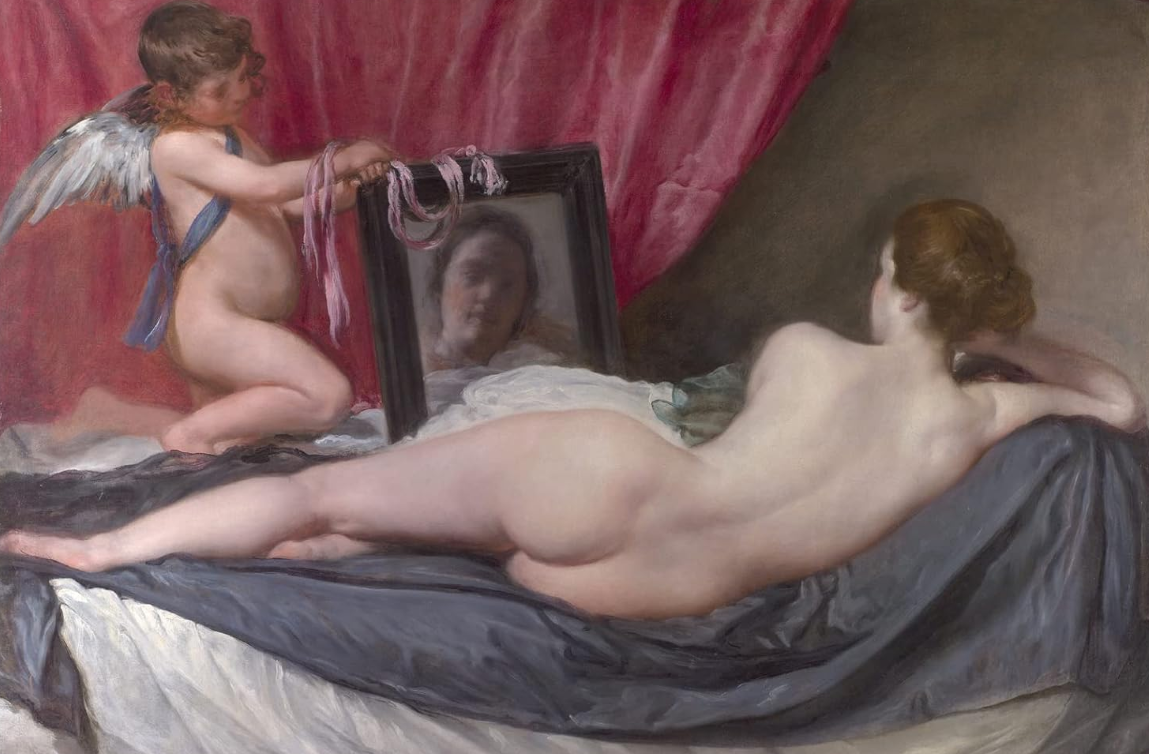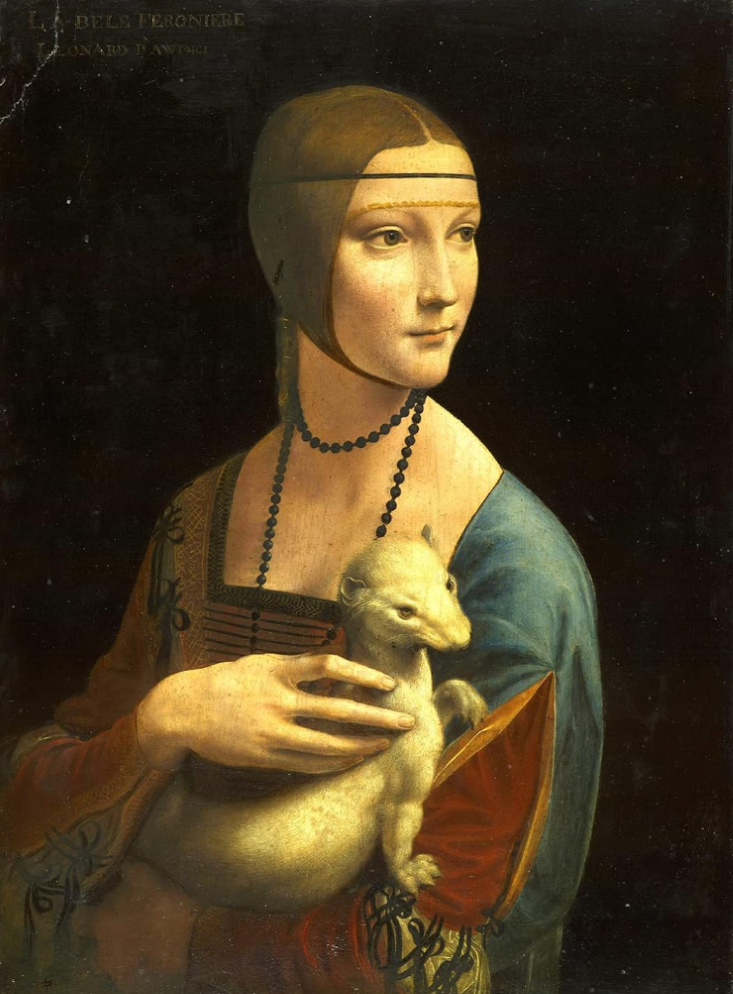
Leonardo da Vinci
Key Takeaways
- Leonardo da Vinci is renowned for masterpieces like the Mona Lisa and The Last Supper.
- His innovative techniques in painting and drawing have influenced countless artists.
- Da Vinci was not only a painter but also an inventor, scientist, and thinker of the Renaissance period.
Uncover the genius of Leonardo da Vinci through his legendary paintings and innovations. Leonardo da Vinci, a quintessential figure of the Renaissance, not only dazzled the world with his artistic prowess but also left a legacy that intertwined art and science.
Early Life and Background
Born on April 15, 1452, in Vinci, Italy, Leonardo was the illegitimate son of a notary. He showed an early talent for art, leading him to apprentice with the artist Andrea del Verrocchio. Here, he mastered various skills, from painting to sculpture, setting the stage for his later achievements.
Influences on His Work
Leonardo’s artistic style was shaped by multiple influences, including:
- The works of his mentor, Verrocchio
- The classical art of Ancient Rome and Greece
- The natural observations of the world around him
- His interest in anatomy and the human form
Famous Paintings
Leonardo's artistic contributions have produced some of the most recognized paintings in history. Here's a look at a few of his masterpieces:
| Painting | Year | Medium | Current Location |
|---|---|---|---|
| Mona Lisa | 1503-1506 | Oil on poplar | Louvre Museum, Paris |
| The Last Supper | 1495-1498 | Tempera on gesso | Convent of Santa Maria delle Grazie, Milan |
| Vitruvian Man | 1490 | Ink on paper | Galleria dell'Accademia, Venice |
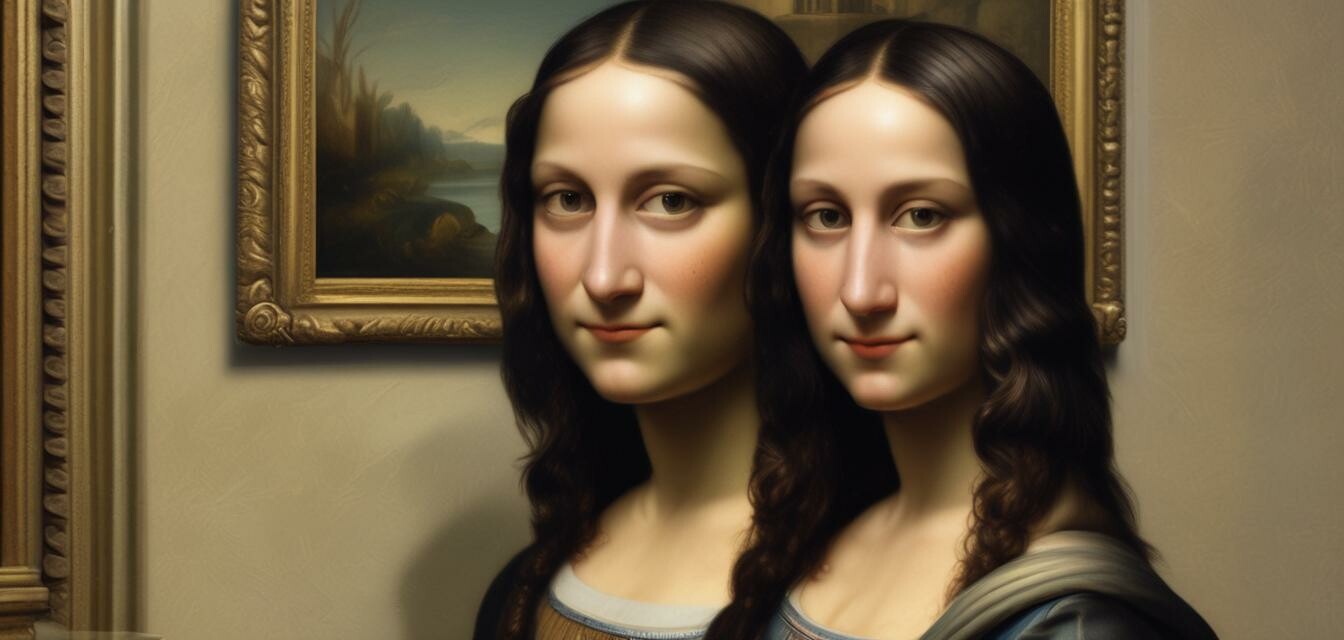
Mona Lisa
The Mona Lisa is perhaps the most famous painting in the world, celebrated for its captivating subject and masterful use of sfumato. This technique allows for delicate transitions between colors, crafting a lifelike portrayal. What captivates viewers is the enigmatic expression on her face, prompting endless speculation about her identity.
The Last Supper
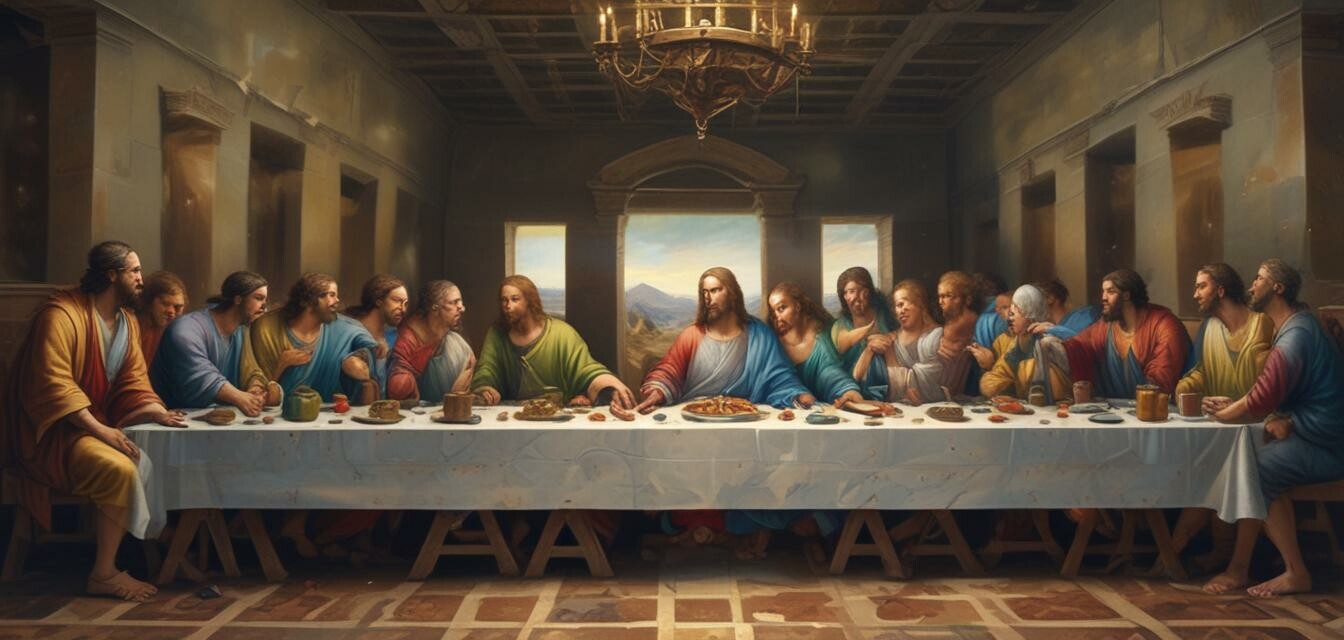
Another notable work, The Last Supper, depicts the final meal of Jesus with his disciples. This painting is distinguished by its composition and dramatic use of perspective, making it one of the most studied religious artworks.
Innovations in Art
Leonardo was ahead of his time, not only as a painter but also as an innovator. His experiments with light and shadow introduced a new depth to painting, while his detailed studies of anatomy improved the realism of human figures in art.
Legacy and Influence
Leonardo da Vinci's influence spans beyond his lifetime. His teachings and masterpieces have inspired generations of artists and thinkers. The intertwined nature of art and science in his work exemplifies the polymiath ideal of the Renaissance. Countless artists have drawn inspiration from his techniques and vision.
Modern Impact
Today, Leonardo's contributions continue to be celebrated in various forms, from documentaries to exhibitions worldwide. Institutions dedicate segments of their collections to his work, illustrating his far-reaching impact on contemporary art.
Conclusion
Leonardo da Vinci remains a towering figure in world history, embodying the spirit of the Renaissance through his artwork and intellectual pursuits. His paintings invite emotional connection and scholarly inquiry, ensuring his legacy endures. For those interested in exploring more about his work, check out our sections on Michelangelo, Caravaggio, and Vincent van Gogh for comparisons and further insights into Renaissance art.
Pros
- Innovative techniques that changed painting forever.
- Timeless appeal and relevance in modern art.
- Rich historical and cultural significance.
Cons
- Some works are subject to degradation and require restoration.
- Limited availability for public viewing of original pieces.
Further Reading
To deepen your understanding of Leonardo da Vinci and the world of Renaissance art, we recommend visiting the following sections on our site: