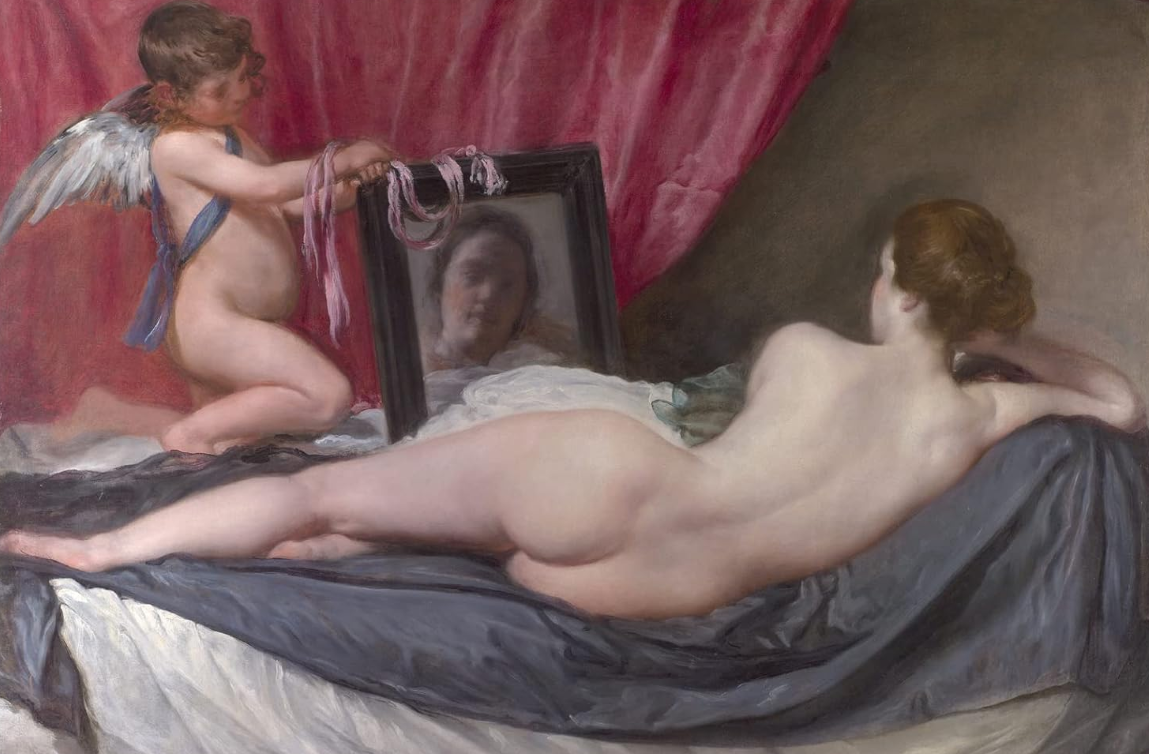
Monet: The Master of Impressionism
Key Takeaways:
- Monet is known for his Impressionist paintings that capture the fleeting effects of light and color.
- His paintings often feature soft, feathery brushstrokes and an emphasis on capturing the emotional essence of a scene.
- Monet's most famous works include his series on water lilies, the Japanese footbridge, and the Rouen Cathedral.
Early Life and Career
Claude Monet was born on November 14, 1840, in Paris, France. He grew up in Le Havre, where he developed a passion for drawing and painting. Monet's early works were largely influenced by the Barbizon school, a group of French painters who focused on landscapes and the natural world.
The Birth of Impressionism
In the 1870s, Monet became a key figure in the Impressionist movement, a group of artists who sought to break away from traditional art forms and focus on capturing the fleeting effects of light and color. The term "Impressionism" was actually coined by art critic Louis Leroy, who reviewed Monet's painting "Impression, Sunrise" in 1874.

Monet's Painting Style
Monet's paintings are characterized by soft, feathery brushstrokes and an emphasis on capturing the emotional essence of a scene. He often used short, broken strokes to convey a sense of movement and energy. Monet was also known for his innovative use of color, often using vivid, unblended hues to create a sense of depth and luminosity.
| Characteristic | Description |
|---|---|
| Brushstrokes | Soft, feathery, and expressive |
| Color palette | Vibrant, unblended, and luminous |
| Composition | Emphasis on capturing the emotional essence of a scene |
Famous Works
Monet's most famous works include his series on water lilies, the Japanese footbridge, and the Rouen Cathedral. These paintings showcase his innovative use of color and light, and his ability to evoke emotions through his art.

Influence and Legacy
Monet's influence on modern art is immeasurable. He paved the way for future generations of artists, including Expressionists, Fauvists, and Abstract Expressionists. Today, Monet's paintings are among the most celebrated and admired in the world.
Why Monet's Paintings Are Timeless
- Emotional resonance: Monet's paintings evoke emotions and transport viewers to a world of serenity and beauty.
- Innovative use of color: Monet's use of vivid, unblended hues created a sense of depth and luminosity.
- Groundbreaking technique: Monet's soft, feathery brushstrokes and emphasis on capturing the emotional essence of a scene revolutionized the art world.
Criticisms of Monet's Work
- Lack of realism: Monet's paintings often prioritized emotional resonance over realistic representation.
- Overemphasis on light: Monet's focus on capturing light and color sometimes came at the expense of other artistic elements.
Conclusion
Claude Monet was a true master of Impressionism, and his paintings continue to inspire and captivate art lovers around the world. Through his innovative use of color, groundbreaking technique, and emotional resonance, Monet's art continues to be a source of beauty and inspiration.
Learn more about other famous painters and their works: